



By the Fitness Chiropractic team · Updated
What evidence-based practice means
Evidence-based practice is a standard used across healthcare, from medicine to physical therapy. It rests on three things working together:
- The best available research on which treatments help a given problem, and by how much
- Clinical expertise, meaning your chiropractor's training, experience and exam findings
- Your values and preferences: what matters to you, what you're comfortable with and what you want to get back to doing
None of these is enough on its own. Research tells us what tends to work for groups of people. A careful exam and an honest conversation tell us what's likely to work for you.
What the research supports, and where it's limited
Chiropractic care is best studied for musculoskeletal problems: pain and stiffness in the back, neck and joints. Clinical practice guidelines include spinal manipulation as one option for some types of low back pain and neck pain, usually alongside exercise, staying active and education about the condition. Those active approaches are well supported in their own right, which is why exercise is part of most care plans here.
The evidence is weaker or limited for many problems outside the muscles, joints and nerves. We don't promote chiropractic care as a treatment for immune function, blood pressure or other internal-organ conditions, and it's wise to be cautious of anyone who does.
Even for back and neck pain, results vary. Some people improve quickly, some gradually, and some don't respond as hoped. When that happens, the right move is to change the approach or refer you, not to keep repeating the same treatment.
How we apply it in our clinics
Evidence-based care shows up in everyday decisions:
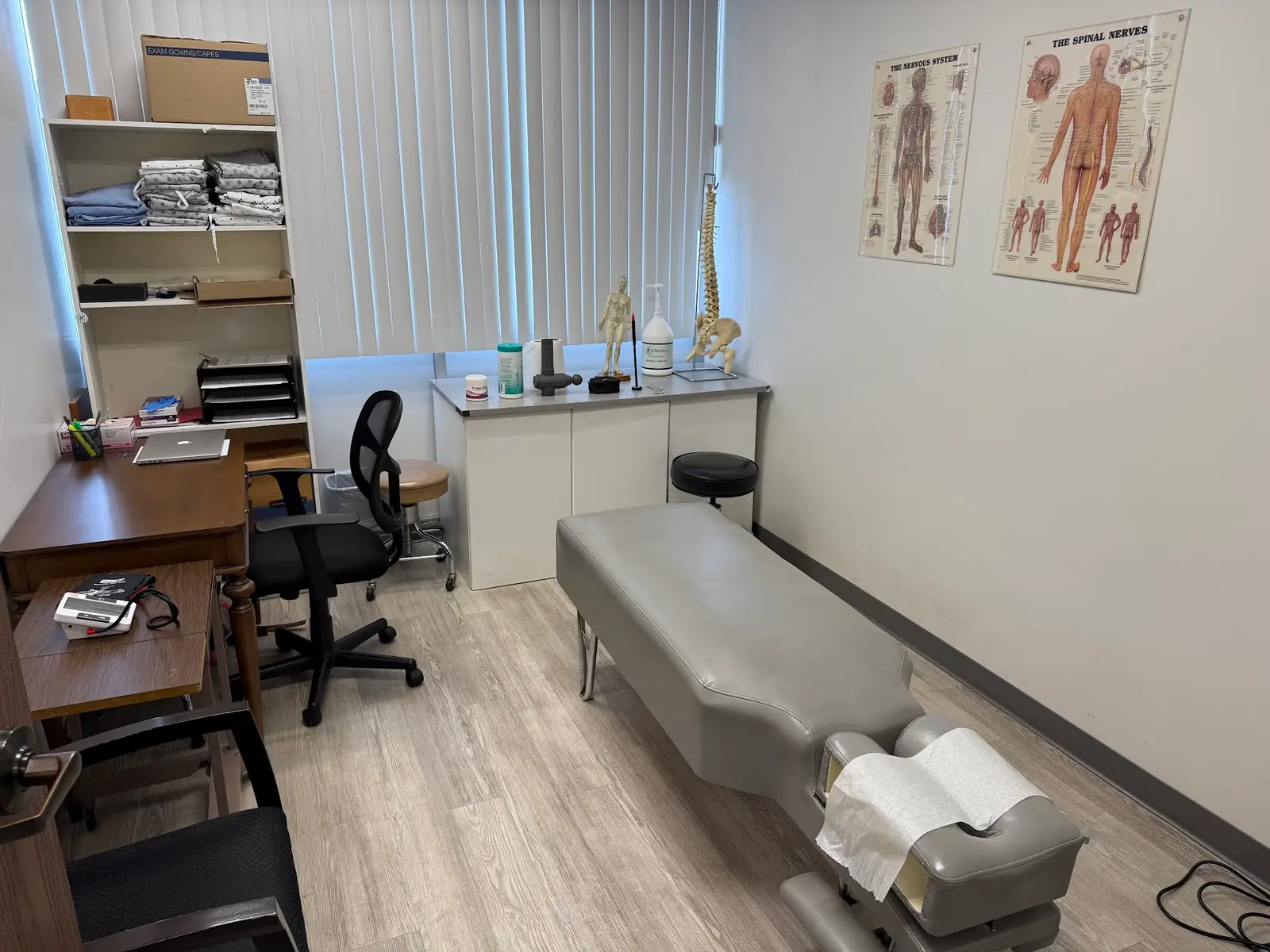
- Examine before treating. Every new patient gets a full orthopedic and neurological exam, a pain assessment and a spinal analysis before care begins.
- Follow consensus guidelines. That includes guidelines on imaging, so tests, techniques and procedures are used when they're likely to change your care, not by default.
- Weigh benefits and risks. We consider the strength of the evidence and the risks of each option, including the option of doing less.
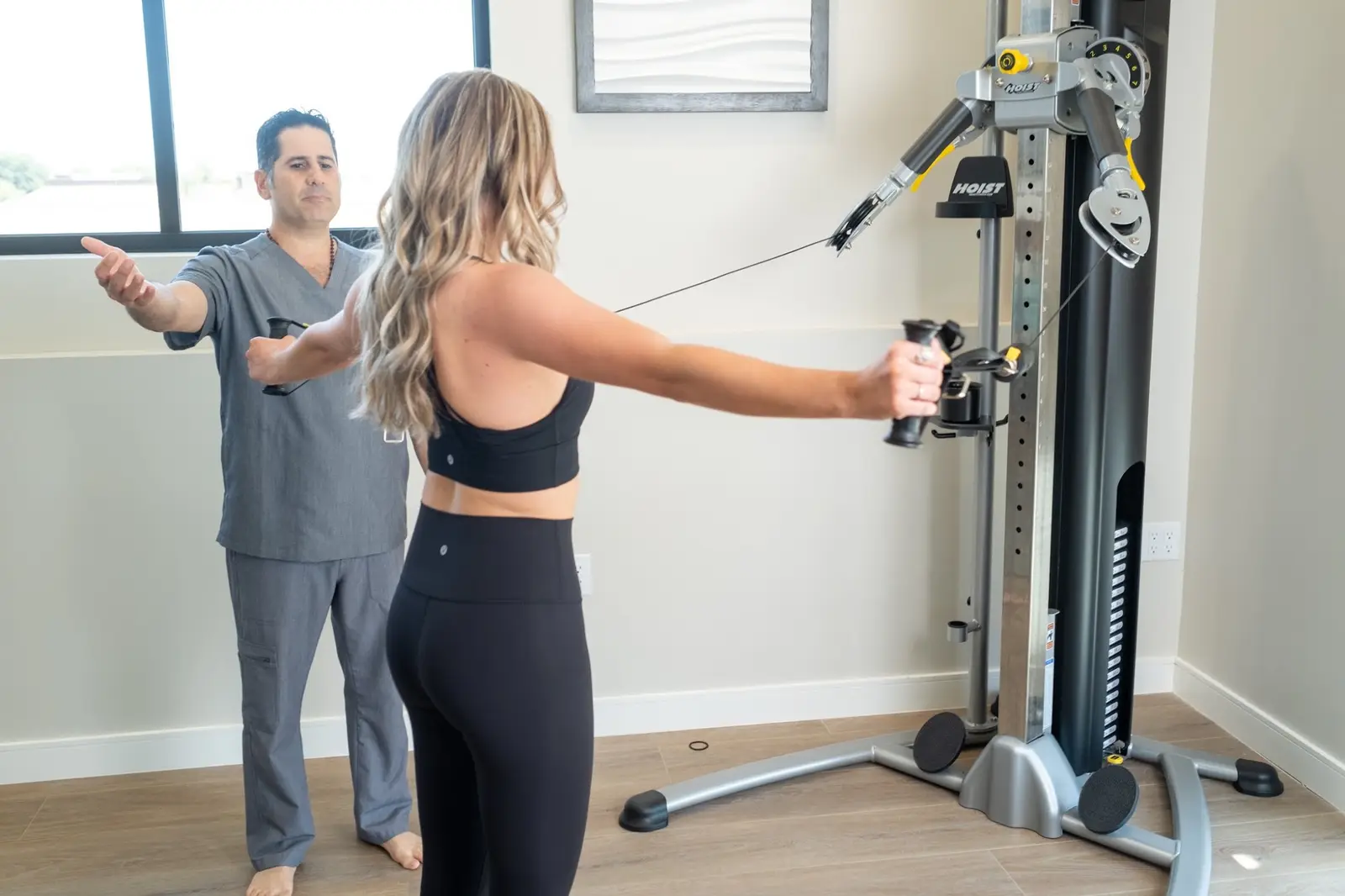
- Favor active care. Hands-on treatment can ease pain, but exercises such as the McKenzie Method and strengthening work help you stay better on your own.
- Measure progress. Re-exams compare how you move and feel with your starting point, so decisions are based on change rather than assumption.
- Refer when needed. If your exam points to something chiropractic care can't address, we tell you and point you to the right provider.
- Keep learning. Guidelines change as new research comes in, and care should change with them.
Several of our chiropractors trained in sports medicine settings, and you can read about their backgrounds on our chiropractors page.
New patient special
Talk to a chiropractor — $75 first visit
Is chiropractic legit?
It's a fair question, and asking it is reasonable. The honest answer: for some common musculoskeletal problems, especially certain types of low back and neck pain, research suggests spinal manipulation can help some people, with benefits generally similar to other recommended conservative treatments such as exercise. It isn't a treatment for everything, and claims that it is have hurt the profession's credibility.
A credible chiropractor should examine you thoroughly, explain the findings in plain language, set goals you can measure, give you things to do at home and refer you when a problem is outside their scope. If you've come across the term vertebral subluxation, our page on it explains what chiropractors mean by it.
Safety and what to tell your chiropractor
For most people, chiropractic care is considered low risk. Temporary soreness or stiffness for a day or so after a chiropractic adjustment is the most common side effect, and serious complications are rare.
Your health history helps us choose the safest approach. Tell your chiropractor if you have osteoporosis, take blood thinners, have had recent surgery or a fracture, or have a history of cancer or stroke symptoms. When gentler options are a better fit, such as instrument-assisted adjusting, mobilization or soft tissue work, we use them instead.
Questions worth asking any chiropractor
Whether you see us or someone else, these questions help you judge whether care is evidence-based:
- What did my exam show, and what do you think is causing my pain?
- What are the goals of treatment, and how will we measure progress?
- What can I do at home to help myself?
- How long should it take before I notice a change?
- At what point would you refer me elsewhere?
Good answers are specific to you. Our overview of chiropractic treatment explains how we approach care from the first visit onward.