



By the Fitness Chiropractic team · Updated
What is therapeutic massage?
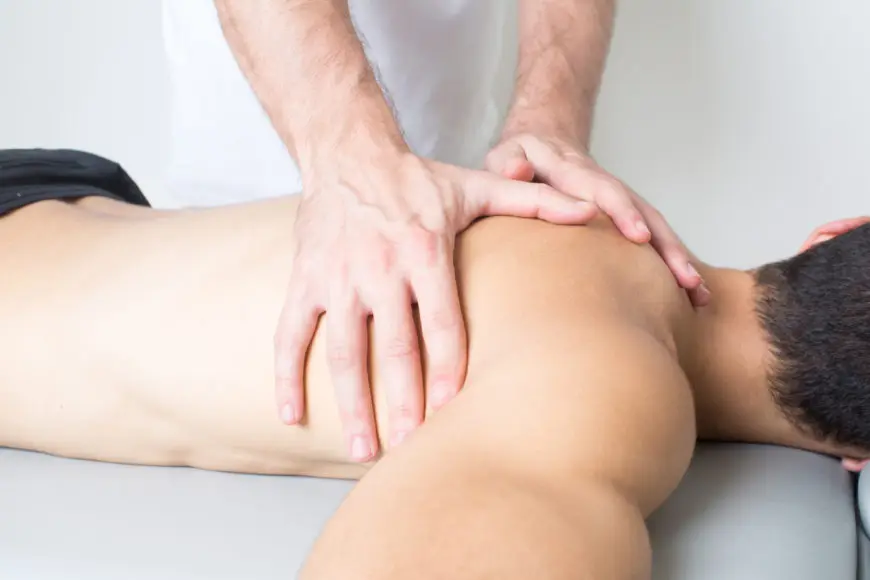
Massage therapy is the hands-on manipulation of muscles, tendons and fascia, the body's soft tissues. People have used it for pain and recovery for thousands of years, and today it's one of the most common complementary treatments for muscle and joint pain.
Therapeutic massage differs from a spa massage in its purpose. Relaxation is a welcome side effect, but the session is built around a specific goal: loosening a tight lower back, freeing up a stiff shoulder or helping a strained hamstring recover. Your therapist will ask about your pain, injuries and activity before deciding where and how to work.
Types of massage we offer
Our massage therapists are trained in a wide range of techniques, including:
- Deep tissue massage: slow, firm pressure and cross-fiber friction to reach deeper layers of muscle and fascia
- Sports massage: focused work for athletes and active people, around events and during injury recovery
- Swedish massage: lighter, flowing strokes that relax the whole body
- Trigger point and neuromuscular therapy: sustained pressure on tight, tender knots that can refer pain elsewhere
- Myofascial release: gentle, sustained stretching of tight fascia
- Prenatal massage: positioned and adapted for comfort during pregnancy
- Reflexology, cupping and shiatsu, offered by some of our therapists
Most sessions blend several techniques, adjusted to what your body needs that day.
Benefits of massage therapy
Massage may help:
- Ease muscle pain and tension, including back pain, neck and shoulder tightness and tension headaches
- Reduce muscle spasm and guarding after an injury, so you can move more freely
- Support recovery from hard training and sports injuries
- Lower stress and help you unwind; read more about the emotional benefits of massage therapy
- Ease widespread aches, with some people with fibromyalgia finding regular, gentle massage helpful
Massage works best as part of a broader plan that includes movement and, where needed, chiropractic care. It's rarely a stand-alone fix.
New patient special
See if massage therapy is right for you — $75 exam
Massage for back pain and sciatica
Back pain is one of the most common reasons people book a massage. With lower back pain, the muscles along the spine, hips and glutes often tighten to protect a sore joint or disc, and that tension can become a source of pain in its own right. Massage may ease that guarding so you can move, sit and sleep more comfortably.
Massage can also help some people with sciatica, particularly when tight muscles deep in the buttock, such as the piriformis, are adding pressure around the nerve. If your leg pain comes from a disc or joint problem, massage is best combined with chiropractic care and exercise rather than used alone.
Why chiropractors recommend massage therapy
Muscles and joints work together. When a joint is stiff, the muscles around it tighten to protect it, and tight muscles can in turn pull joints out of their normal movement. Treating both often works better than treating one.
That's the idea behind chiropractic massage: your chiropractor and massage therapist work from the same exam findings, so the massage targets the muscles linked to your problem. Many patients book massage on the same day as a chiropractic adjustment, and some find that relaxed muscles make the adjustment more comfortable. Some visits also include percussion therapy with the Deep Muscle Stimulator to loosen especially tight areas.
What happens during a massage session
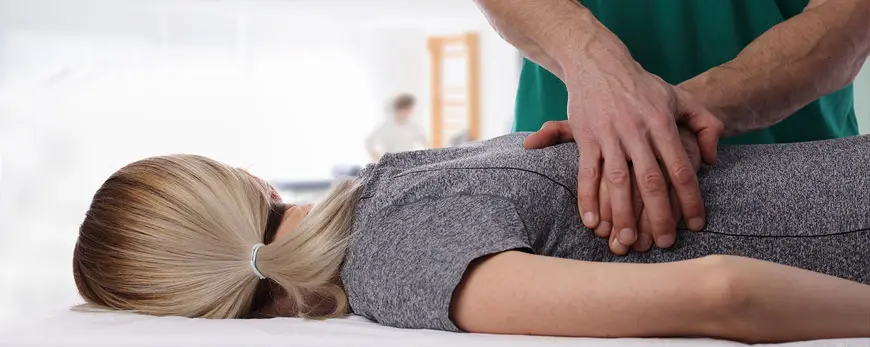
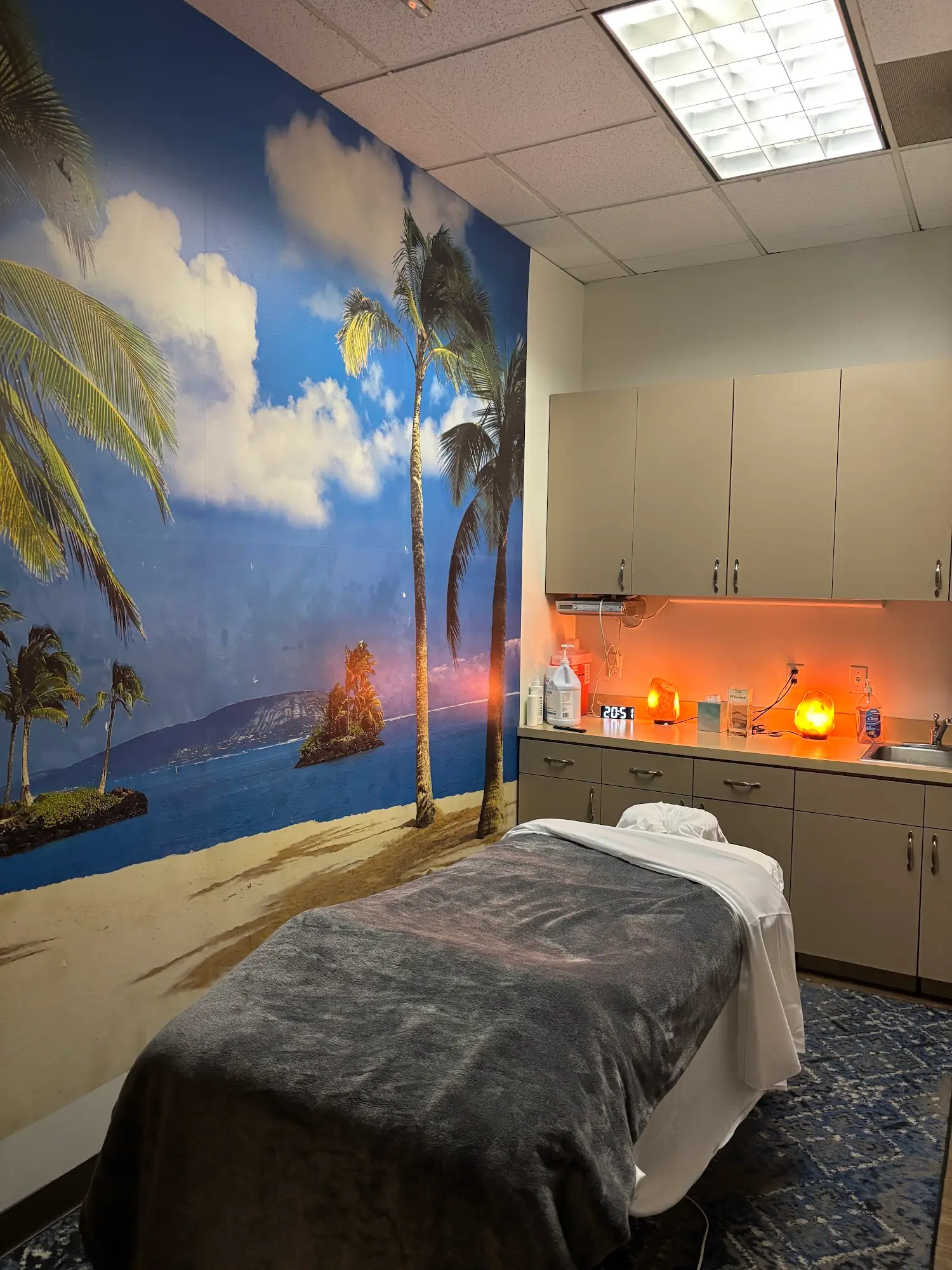
Sessions are usually 30 to 60 minutes. You'll start with a short conversation about what's bothering you and any health conditions. Your therapist will step out while you undress to your comfort level and lie under a sheet on a padded table; only the area being worked on is uncovered.
Speak up during the session. Deep tissue work can feel intense, but it shouldn't be sharply painful, and your therapist will adjust the pressure. Afterward, drink some water and expect mild soreness for a day or so, especially after deep work.
How often should you get a massage?
It depends on your goals. While you're recovering from an injury or a flare-up of back pain, weekly sessions are common at first. For maintenance or stress relief, many people come in every few weeks to once a month. Your therapist and chiropractor can recommend a schedule that fits your care plan.
When to check with your doctor first
Massage is safe for most people, but tell your therapist, and check with your doctor if needed, if you have a blood clot or a history of deep vein thrombosis, a recent surgery or fracture, a skin infection or open wound, a bleeding disorder, or if you're pregnant. Your therapist will avoid or adapt treatment around those areas.