

By the Fitness Chiropractic team · Updated
Personal training with your recovery in mind
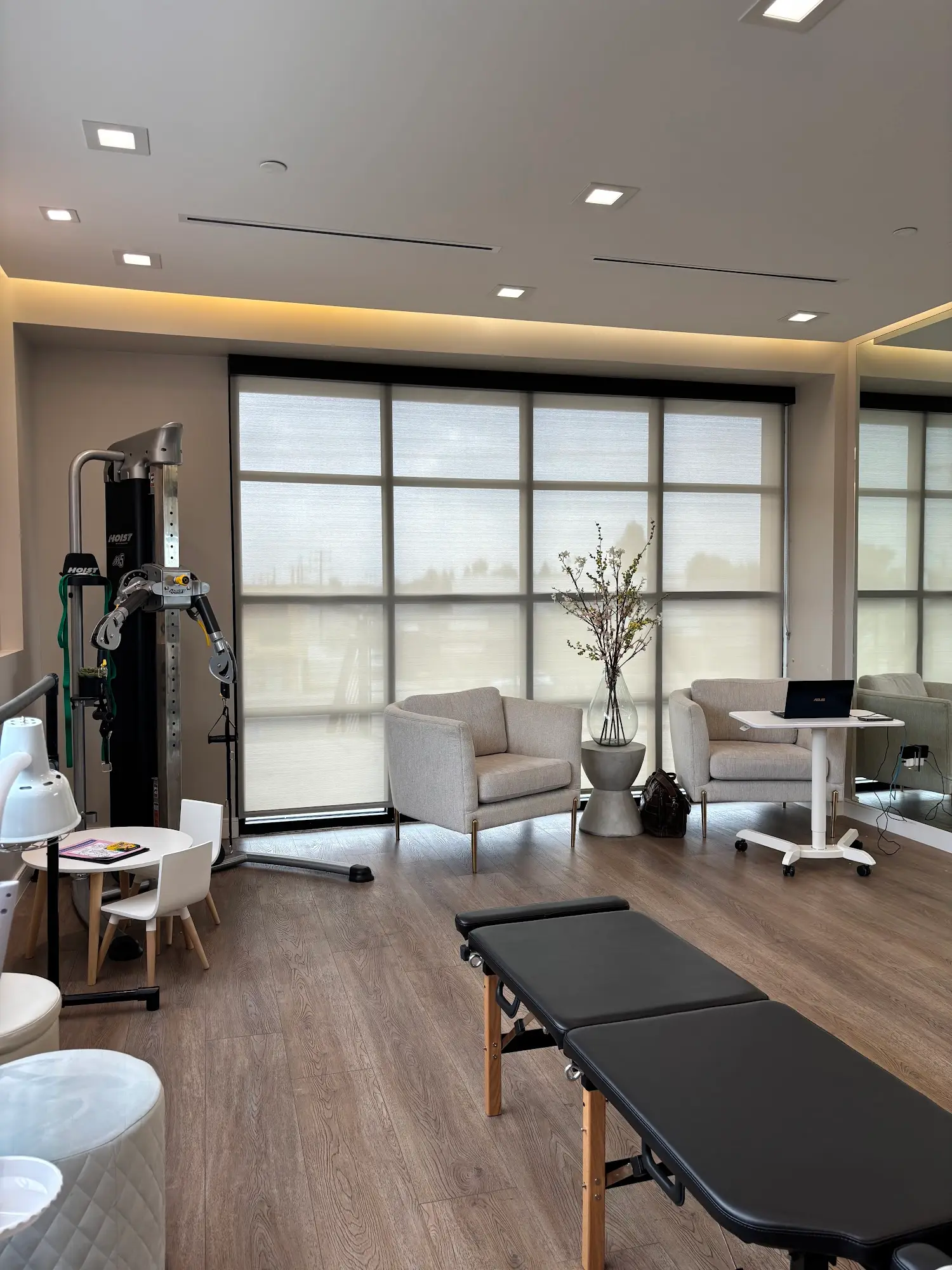
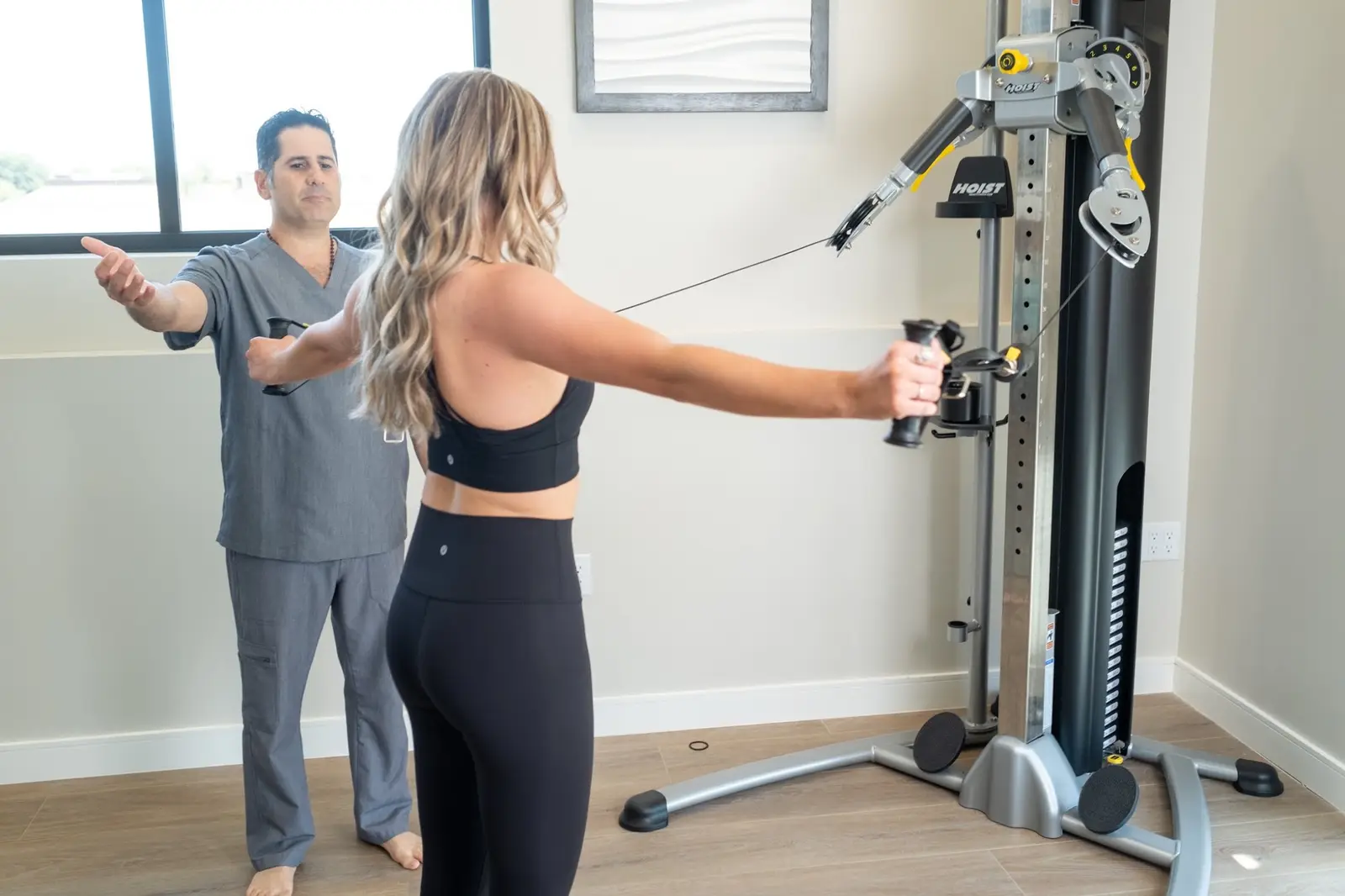
A typical gym trainer may know little about your sore back or recovering shoulder. Our personal training is different because it sits inside the same practice as your chiropractic care. Your trainer can know your history, your injuries and your goals, and coordinate with the rest of your team.
Whether you want to lose weight, build muscle, return to a sport or simply move without pain, your trainer will create a program that's right for you and progress it at a pace your body can handle.
Who personal training is for
- People finishing injury rehab who want to keep building strength so the problem is less likely to return
- Anyone with ongoing back or neck pain who wants to exercise but isn't sure what's safe; well-chosen strength training is often part of managing back pain
- Weight loss clients pairing exercise with nutrition counseling as part of our weight loss program
- Athletes returning to play after sports injury treatment
- Beginners and older adults who want guidance and confidence in the gym
How training ties in with chiropractic care
Chiropractic care and training solve different parts of the same problem. Chiropractic adjustments and soft tissue work restore joint motion and calm pain; training builds the strength, mobility and control that keep you moving well afterward.
When both happen on one team, your chiropractor and trainer can agree on which movements suit you now, which to avoid for the moment and when to progress. If something flares up, it's noticed and dealt with quickly instead of being pushed through. That matters for lower back pain in particular, where staying active and building strength are central to long-term care.
New patient special
See if personal training is right for you — $75 exam
Strength training for back pain
People with back pain often stop exercising out of fear of making it worse. In most cases, the right kind of movement helps more than rest. A back-friendly program usually starts with controlled exercises that build endurance in the core, hips and back, such as bridges, bird dogs and side planks, before gradually adding load.
Your trainer will focus on good form, steady breathing and progress you can tolerate, and will back off during a flare-up rather than push through it. If your chiropractor has given you directional exercises, such as the McKenzie Method, your trainer can build them into your warm-up.
What a training program includes
Every program is tailored, but most include:
- An assessment of your goals, injury history, posture, mobility and current fitness
- Strength training for the major muscle groups, with extra attention to the core, hips and upper back
- Mobility and flexibility work for stiff areas
- Conditioning suited to your fitness level and goals
- Technique coaching so you lift, squat and carry safely
- A home program for the days between sessions
For a taste of the basics, try these strength training exercises you can do at home.
Getting started
Ask your chiropractor or the front desk about personal training at your next visit, or mention it when you book. If you have a heart condition, diabetes or another medical condition, or you haven't exercised in a long time, get clearance from your physician before starting a new program. You can also meet our personal trainers.