



By the Fitness Chiropractic team · Updated
What is spinal decompression therapy?
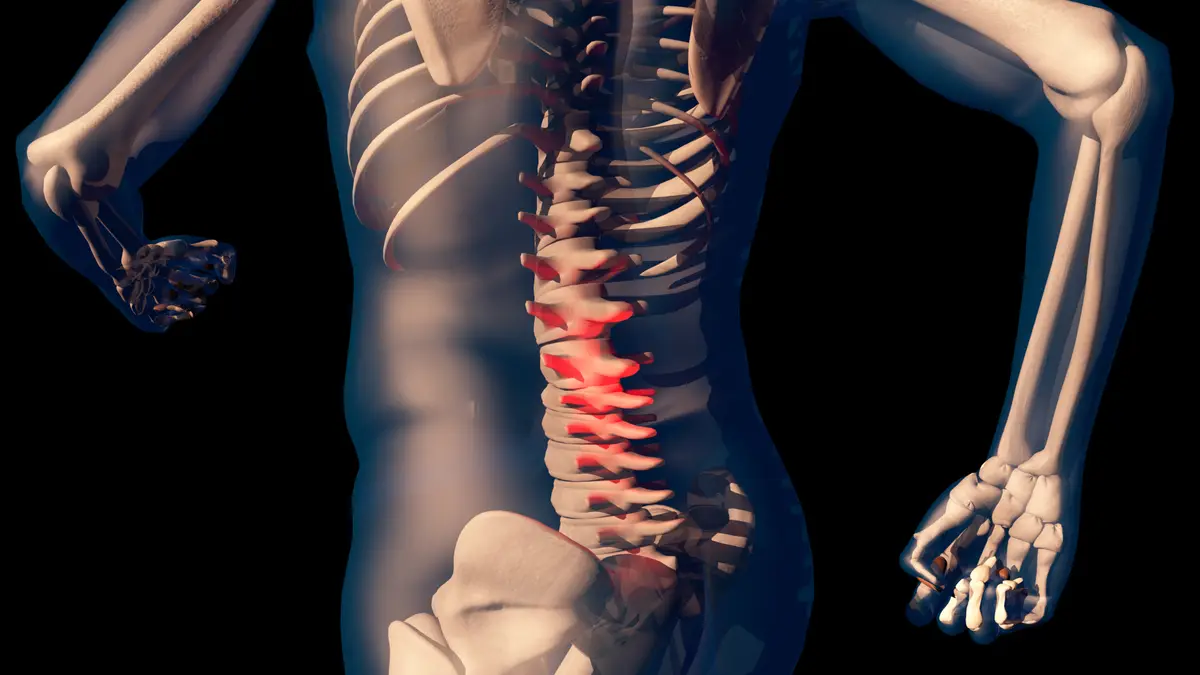
Between each pair of vertebrae sits a disc: a tough outer ring with a gel-like center that cushions the spine and lets it bend. With age, injury or repeated strain, a disc can lose height, bulge or herniate and press on nearby nerves. That's a common source of low back pain, neck pain and pain that travels down an arm or leg.
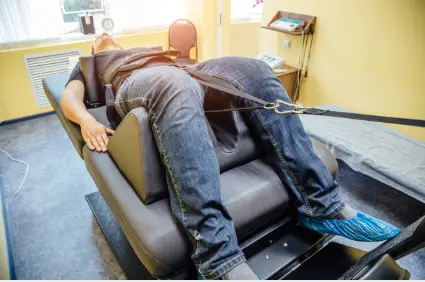
Non-surgical spinal decompression is a form of motorized traction. You lie on a padded table while a computer-controlled system gently pulls and then relaxes the spine in timed cycles. Unlike a simple stretch, the pull builds gradually and changes rhythm, which helps the surrounding muscles stay relaxed instead of tightening against it.
Surgical decompression is something different: an operation to remove bone or disc material pressing on a nerve. The care we provide is the non-surgical kind.
How spinal decompression works
The aim is to create a little more space between the vertebrae for a short time. That gentle separation may:
- Reduce pressure on the disc and on irritated nerve roots
- Encourage fluid and nutrients to move into the disc, which has very little blood supply of its own
- Relax tight muscles that guard around the painful area
Decompression tables are FDA-cleared medical devices. Clearance means the FDA has allowed the device to be marketed for this use; it isn't a promise of results, and research on outcomes is still developing. We'll be honest with you about what's realistic for your condition.
Who is a candidate for spinal decompression?
Decompression is most often recommended for:
- Herniated discs and bulging discs in the lower back or neck
- Sciatica and other nerve pain that travels into the leg or arm
- Degenerative disc disease and age-related disc wear
- Long-standing lower back pain or neck pain that hasn't improved with other conservative care
You'll have a full orthopedic and neurological exam first. If you're a good fit, we'll explain why; if you're not, we'll suggest another approach.
New patient special
See if spinal decompression is right for you — $75 exam
Who should not have spinal decompression?
Decompression isn't right for everyone. It's generally not used if you:
- Are pregnant
- Have a spinal fracture, tumor or infection
- Have an abdominal aortic aneurysm
- Have advanced osteoporosis
- Have metal implants in the spine, such as screws, rods or fusion hardware
Tell your chiropractor about your full medical history, including past surgeries, so we can decide whether decompression is safe for you. If back or leg pain ever comes with loss of bladder or bowel control, numbness in the groin or leg weakness that's quickly getting worse, go to an emergency room. Those symptoms need immediate medical care, not decompression.
What a spinal decompression session is like
You stay fully clothed. For the lower back, a padded harness goes around your pelvis and another around your lower chest; for the neck, a padded cradle supports your head. You lie face up or face down while your chiropractor sets the computer to your condition, size and comfort.
During treatment you'll feel a slow, gentle pull followed by a release, repeated in cycles. Most people find it comfortable, and some even doze off. If anything increases your pain, tell us and we'll change the settings straight away. Plan on roughly 30 to 60 minutes per visit, which allows for setup and any other care in your plan, such as an adjustment or soft tissue work.
Between sessions, we may give you simple exercises, such as McKenzie Method movements, along with tips for sitting and lifting that protect the disc.
How many sessions will I need?
Decompression is given as a series of sessions over several weeks rather than as a single treatment. The number depends on the size and location of the disc problem, how long you've had symptoms and how you respond. Your chiropractor will outline a plan after your exam and reassess as you go. If you're not improving as expected, we'll change course.
How much does spinal decompression cost?
There's no single price, because cost depends on how many sessions your plan includes and what your insurance covers, and coverage for decompression varies widely between plans. Your $75 new patient visit includes a full exam, so you'll know whether decompression suits you, and what a plan would involve, before you commit. We accept most PPO plans and offer flexible payment options.
Spinal decompression vs. a chiropractic adjustment
An adjustment is a quick, targeted movement that restores motion to a joint, while decompression is a slow, sustained stretch aimed at the discs. Many patients receive both as part of one plan. Read more in our article comparing chiropractic adjustment vs. spinal decompression.