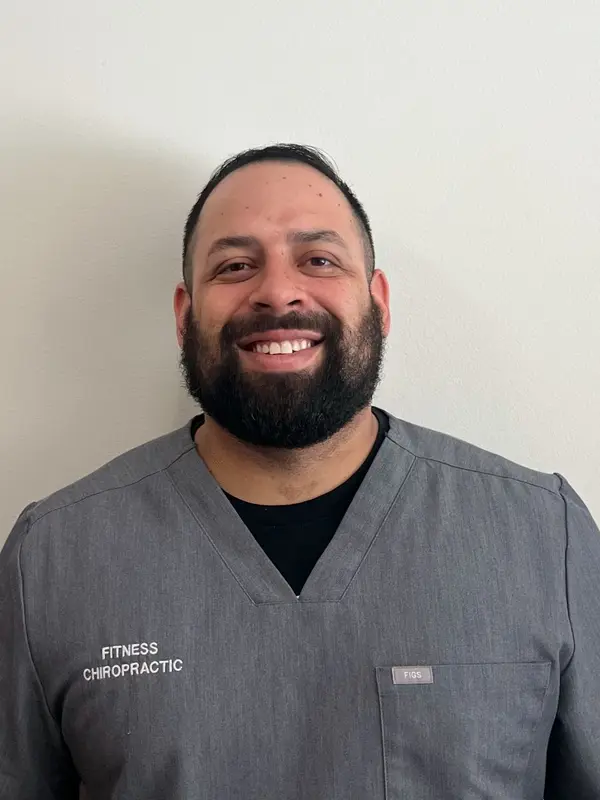


By the Fitness Chiropractic team · Updated
How our car accident injury clinic works
After a collision you have a lot to juggle: an aching neck, a damaged car and calls from insurers. Our job is to make the health side simple. Your care follows a clear sequence — history, exam, plan, treatment and re-checks — and every step is recorded, so you always know where you stand.
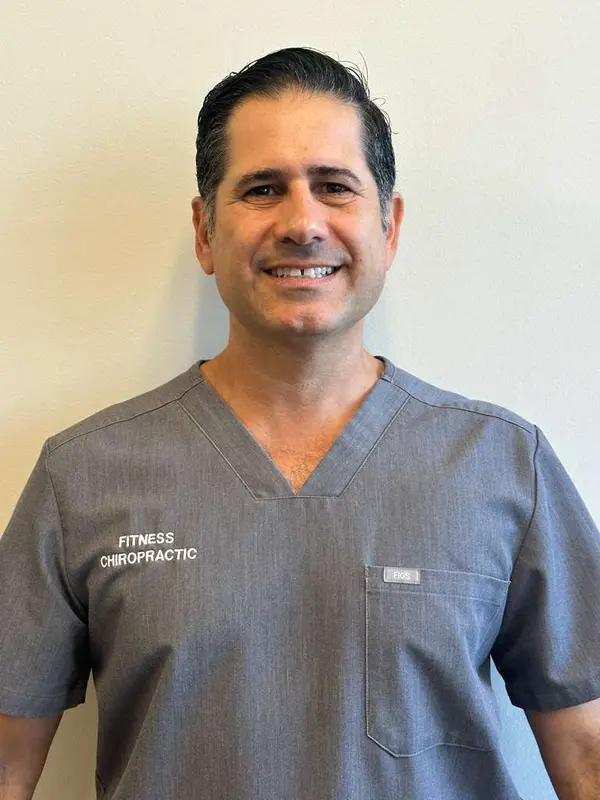
You'll be supported by a team rather than a single provider. Depending on your injuries, that can include our chiropractors, massage therapists and acupuncturist, all working from one plan. If you're still deciding who to see, start with our overview of choosing a car accident chiropractor.
Before your first visit: what to bring
Having a few things ready saves time and helps us record your injuries accurately:
- Photo ID and your auto and health insurance details
- Your claim number, if you've opened one
- Any hospital, ER or urgent-care paperwork, including imaging reports
- Your attorney's contact details, if you've hired one
- Brief notes on when and how the collision happened and what you've felt since
You can also fill out our new patient forms before you arrive, so your visit can focus on your exam.
Step by step: from first exam to recovery
- Collision history. We ask about the direction of impact, your seat position, whether you saw it coming and how your symptoms have changed since.
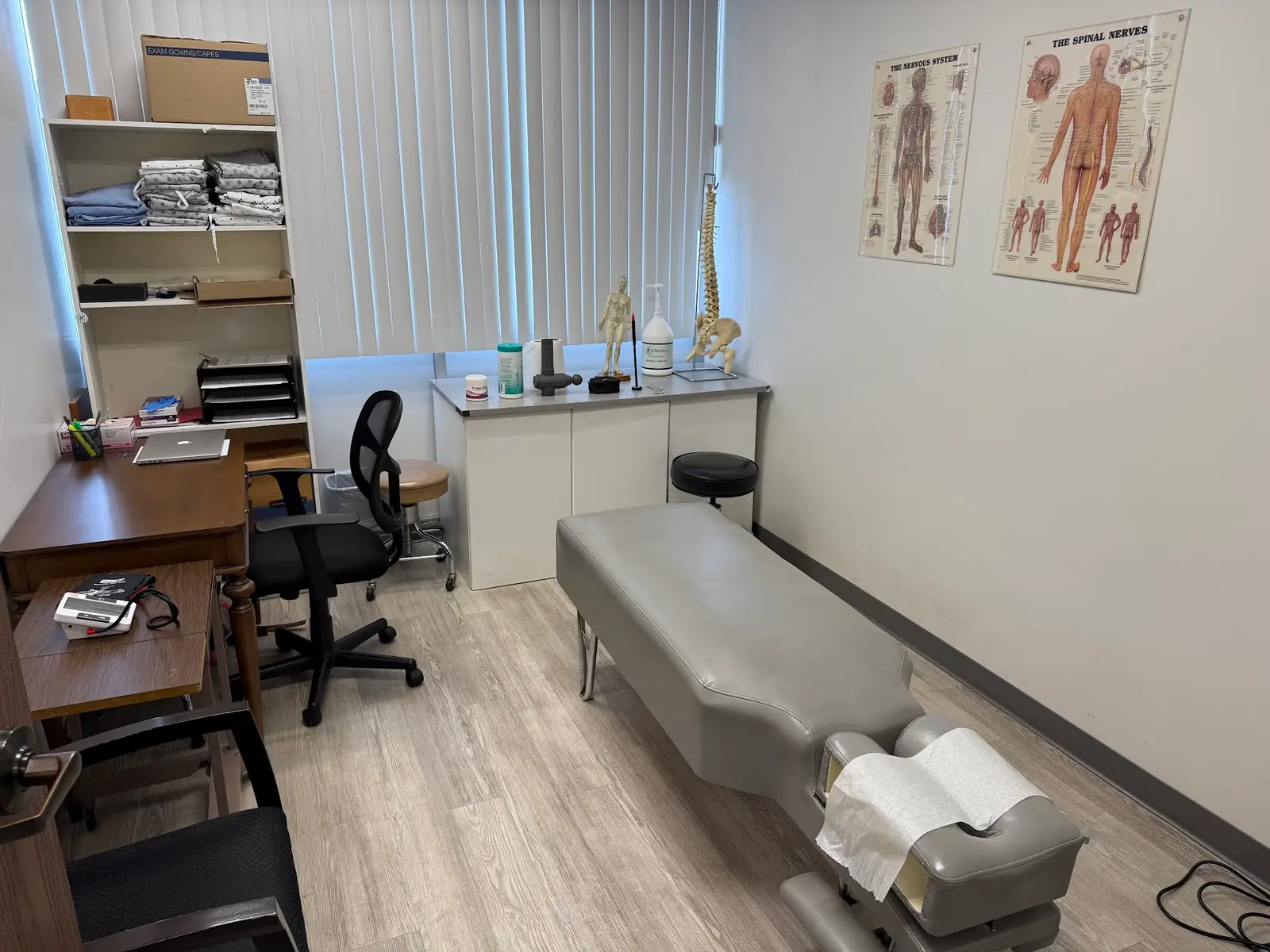
- Full examination. A full orthopedic and neurological exam, a pain assessment and a spinal analysis show which joints, muscles and nerves were affected.
- Referral when needed. If anything suggests a fracture, concussion or other injury that needs imaging or a medical specialist, we refer you before starting chiropractic care.
- Your treatment plan. We explain what we found, what we recommend, the goals we're working toward and a realistic estimate of how long care should take.
- Treatment. Care usually starts gently while tissues are inflamed and becomes more active as pain settles.
- Re-examinations. Periodic re-checks compare your progress with your first exam and guide whether care continues, changes or tapers off.
New patient special
See if car accident injury clinic is right for you — $75 exam
How we document your injuries
Good records serve your health first. Each visit is noted — your symptoms, what we found, what we did and how you responded — so any provider you see later can understand your history at a glance.
Those records also matter for the paperwork that follows an accident. Insurers commonly request them, and an exam close to the accident date gives a clear picture of your injuries from the start. A few habits help your records reflect your recovery accurately:
- Tell us about every symptom, even ones that seem minor or unrelated
- Keep your scheduled appointments, and let us know if you need to reschedule
- Mention new symptoms or flare-ups as soon as they appear
Insurance, attorney liens and payment
Most insurance plans are accepted. We accept most PPO plans and attorney liens. Coverage for chiropractic varies widely, so call your clinic before your first visit and we'll check your plan. If you have little or no chiropractic coverage, we'll set up a flexible payment program that fits your budget. Our payment options page has the details.
Copies of your visit records are available, so you can submit them to your insurer or share them with your attorney. We don't give legal advice, though. Questions about fault, deadlines or settlements should go to your attorney or insurance company.
Treatments that may be part of your plan
Your plan depends on your exam, but accident care commonly draws on:
- Chiropractic adjustments and gentle joint mobilization
- Massage therapy and trigger point work for muscle spasm
- Muscle stimulation to ease pain and guarding
- Spinal decompression for disc-related pain
- Acupuncture for stubborn pain and tension
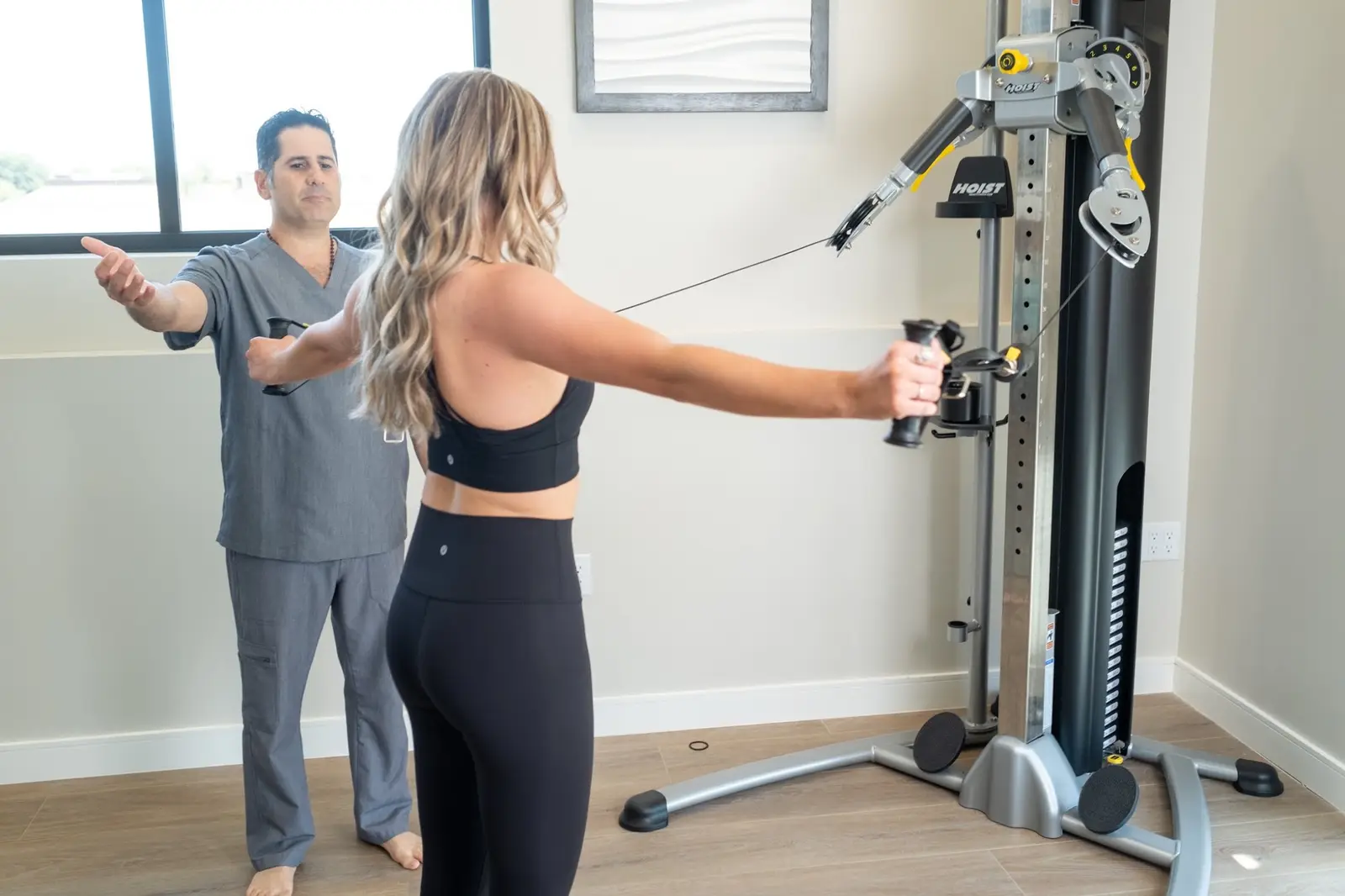
- Rehab and McKenzie exercises to rebuild strength
To see how these are matched to specific injuries such as whiplash, back strain and disc problems, read about car accident injury treatment.
Working with your other providers
Chiropractic care fits alongside medical care, not in place of it. If you've seen an ER doctor, your primary care physician or a specialist, bring their notes and we'll factor them into your plan.
If your symptoms change in a way that needs medical attention — a worsening headache, new numbness or weakness, or pain that isn't following the expected course — we'll tell you promptly and refer you.
How long care usually takes
There's no set number of visits. Recovery depends on the type and severity of your injuries, how soon care started and how your body responds. Visits are usually more frequent at first and taper as you improve and take on more of the work through home exercises.
If you haven't been seen yet and are wondering whether to wait, our guide on when to see a chiropractor after an auto accident can help you decide.