
By the Fitness Chiropractic team · Updated
Why there are different adjustment techniques
Every chiropractic adjustment has the same basic aim: help a stiff or irritated joint move better so pain eases and the surrounding muscles can relax. How we get there varies. A young athlete with a locked-up mid-back and an older adult with thinning bones need very different approaches, and some people simply prefer a gentler style.
That's why our chiropractors use several chiropractic adjustment techniques. The choice depends on:
- What your exam shows and which joints are involved
- Your age, bone health and any medical conditions
- How acute or sensitive the area is right now
- What you feel comfortable with
You're always welcome to ask for a gentler option.
Diversified technique
Diversified is the most widely used hands-on technique and what most people picture when they think of an adjustment. Your chiropractor positions you, takes up the slack in the joint and applies a quick, shallow, precise thrust. You may hear a pop as gas is released from the joint fluid.
Diversified can be used on the neck, mid-back, lower back, pelvis and extremities. It's often the starting point for neck pain, back pain and general stiffness, and it's quick: each adjustment takes only a moment once you're positioned.
Drop table adjustments
A drop table has padded sections that can be raised slightly and set to drop a short distance as your chiropractor applies a quick push. The drop adds momentum, so less force and less twisting are needed. Many patients find it more comfortable than a manual thrust, especially for the lower back and pelvis.
New patient special
See if adjustment techniques is right for you — $75 exam
Instrument-assisted adjusting
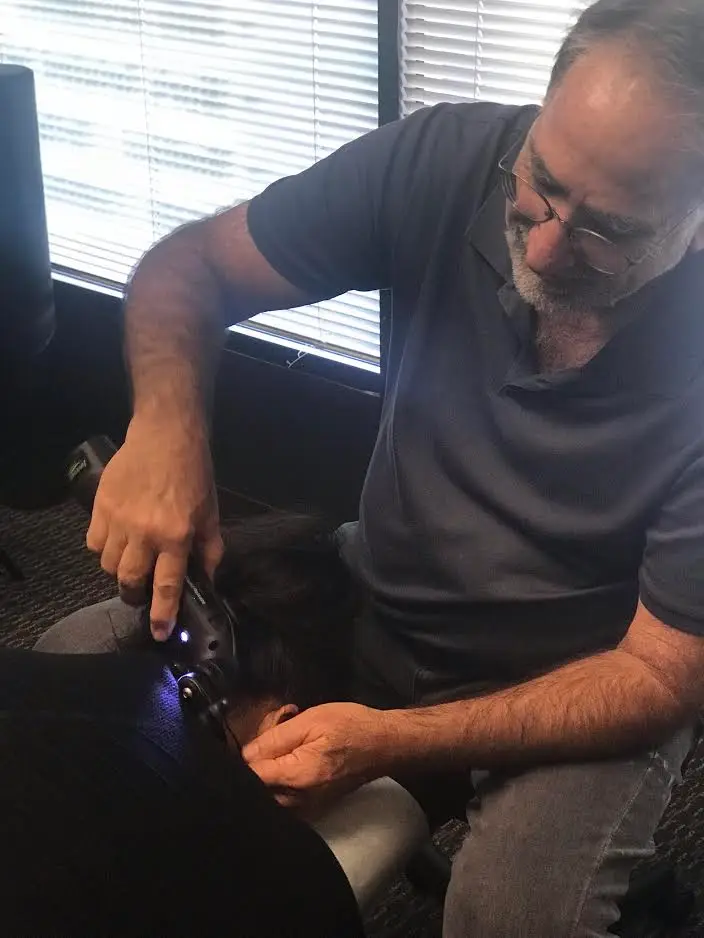
With instrument adjusting, your chiropractor uses a small, spring-loaded handheld tool to deliver a fast, light impulse to one specific point. There's no twisting or cracking, which makes it a good fit for people who feel nervous about manual adjustments, for older patients and for areas too tender for hands-on work. Because the impulse is so fast and precise, it can target a single joint without moving the areas around it.
Flexion-distraction and other gentle techniques
Cox flexion-distraction uses a special table that gently flexes and stretches the lower spine in a slow, rhythmic motion while your chiropractor guides the segment being treated. It's commonly used for disc-related back pain and sciatica, and it usually doesn't produce a popping sound.
Sacro Occipital Technique (SOT) uses padded wedges placed under the pelvis while you lie on the table, so your body weight and breathing make gentle corrections.
Inversion table therapy tilts you head-down at an angle so your body weight gently tractions the spine. It's only used after screening, because it isn't suitable for people with glaucoma, uncontrolled high blood pressure, heart conditions or during pregnancy. When a disc problem needs more controlled, sustained traction, your chiropractor may recommend spinal decompression instead.
Extremity adjusting
Chiropractic isn't only about the spine. Shoulders, elbows, wrists, hips, knees, ankles and feet can all lose normal joint motion after an injury or from overuse. Extremity adjusting applies the same principles to these joints and is often part of care for plantar fasciitis, tennis elbow and shoulder problems.
A stiff ankle after an old sprain, for example, can change the way you walk and add strain to the knee, hip and lower back. Restoring motion at the ankle, then strengthening the muscles around it, often helps the whole chain move better.
Soft tissue techniques
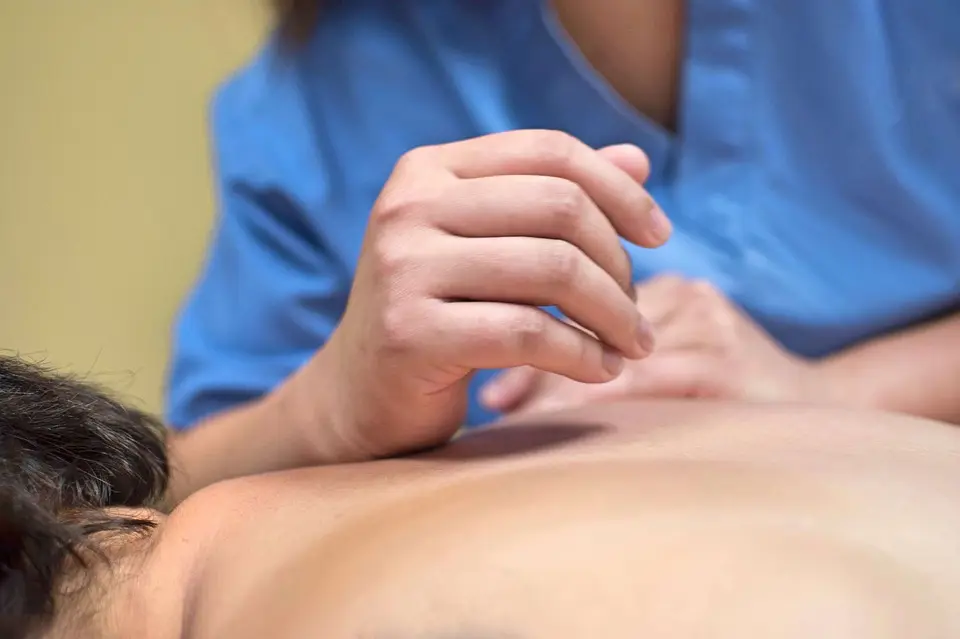
Joints and muscles work as a unit, so most visits pair the adjustment with soft tissue work:
- Active Release Technique (ART): your chiropractor applies pressure to a tight muscle or tendon while you move it through its range, to ease tightness and help tissues glide
- Myofascial release and instrument-assisted soft tissue mobilization (IASTM): hands or smooth-edged tools are used to work tight fascia and muscle
- Cupping: suction cups lift and decompress tight tissue
- Percussion therapy: the Deep Muscle Stimulator and Rapid Release devices deliver rapid vibration to help tight muscles relax before an adjustment
Many patients also add massage therapy with our massage therapists between visits.
How your chiropractor chooses a technique
Your first visit includes a full orthopedic and neurological exam, a pain assessment and a spinal analysis. From there, your chiropractor will explain which techniques they recommend and why. If a technique doesn't feel right, say so; there's almost always another way to treat the same joint. Most treatment plans combine two or three approaches and change as you improve.
A typical visit might start with soft tissue work to relax guarded muscles, follow with an adjustment suited to the area being treated, and finish with a stretch or exercise to do at home. Mild soreness for a day or so afterward is common, especially early in care, and usually settles quickly.