



By the Fitness Chiropractic team · Updated
What is a vertebral subluxation?
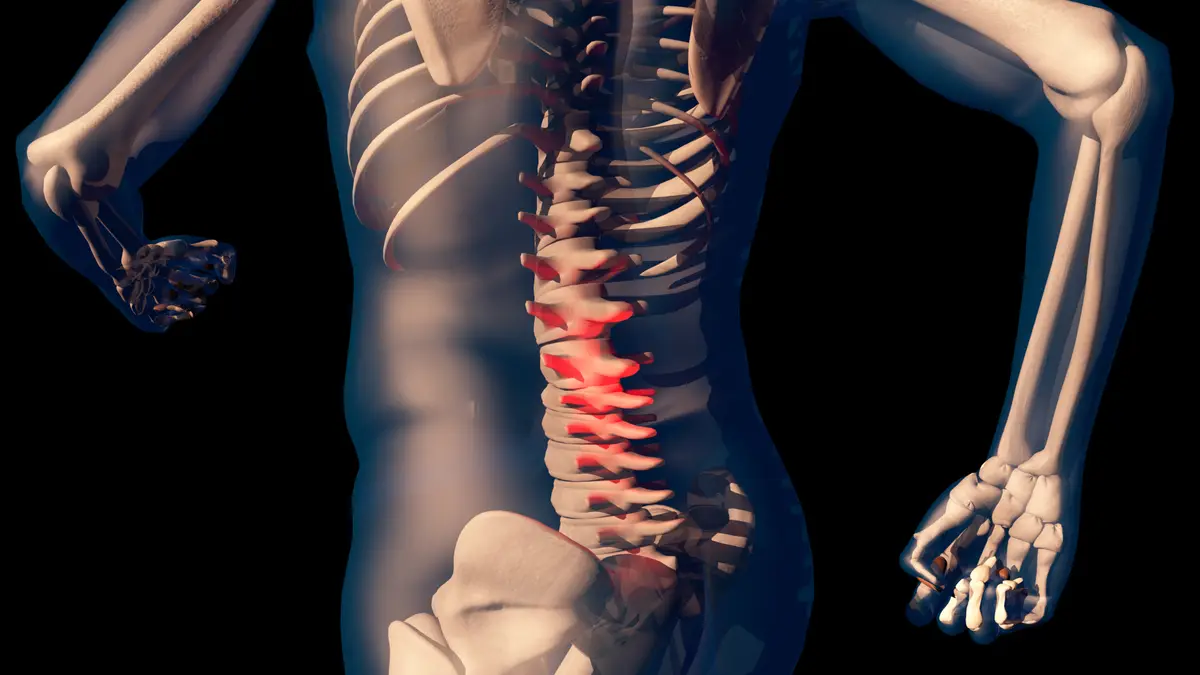
Chiropractors use the term vertebral subluxation to describe a spinal joint that is restricted, moving abnormally or sitting under strain, together with the muscle tension and irritation of nearby tissues that tend to come with it. You may also hear it called the vertebral subluxation complex, joint dysfunction or a restricted spinal segment.
It's worth being clear about what the word means, because it's used differently in different settings:
- In medicine, a subluxation is a partial dislocation — a structural injury in which the joint surfaces have shifted, usually after significant trauma, and which shows up on imaging.
- In chiropractic, the term usually describes a functional problem: a joint that isn't moving as well as it should. It is a chiropractic concept rather than a medical diagnosis, and it usually isn't something you can see on an X-ray.
Many chiropractors today prefer to describe what they actually find — a stiff, tender joint, guarded muscles, reduced range of motion — rather than relying on one label. We think that's the more honest way to talk about it, and you can read more about that approach on our evidence-based chiropractic care page.
Is it a "spinal misalignment"?
You'll often see subluxation described as a bone "out of place" that needs to be put back. That image is easy to understand, but it isn't a very accurate picture of what's going on. Research suggests the benefits of an adjustment come mainly from restoring motion to a stiff joint and calming the surrounding muscles and pain-sensitive tissues, not from moving a vertebra back into a fixed position.
Symptoms people describe
The symptoms linked to joint dysfunction are local and musculoskeletal. People commonly describe:
- Stiffness or a "stuck" feeling in part of the neck or back
- Reduced range of motion, such as trouble turning your head to check a blind spot
- Aching or sharp pain with certain movements
- Tight, tender muscles around a joint
- Headaches that seem to start in the neck
These are the same complaints that bring people in for back pain and neck pain, and that's where chiropractic care has its best evidence.
New patient special
Get your vertebral subluxation checked — $75
Is vertebral subluxation linked to disease?
Older chiropractic writing — and some websites today — claim that subluxations interfere with the nerves to organs and cause problems such as digestive trouble, allergies, fatigue or poor immunity, often illustrated with a "nerve chart." There is no reliable evidence that subluxations cause organ disease, or that adjustments treat it. We don't make those claims.
What the research does support is spinal manipulation as one reasonable option for low back pain, neck pain and some types of headache, usually alongside exercise and staying active.
What contributes to joint stiffness and dysfunction?
- Sustained postures, like long hours at a desk, on a phone or driving
- Repetitive strain from work, lifting or carrying a heavy bag on one shoulder
- Sports injuries, falls and car accidents
- Stress, which often shows up as tight neck and upper back muscles
- Inactivity and general deconditioning
How it's assessed
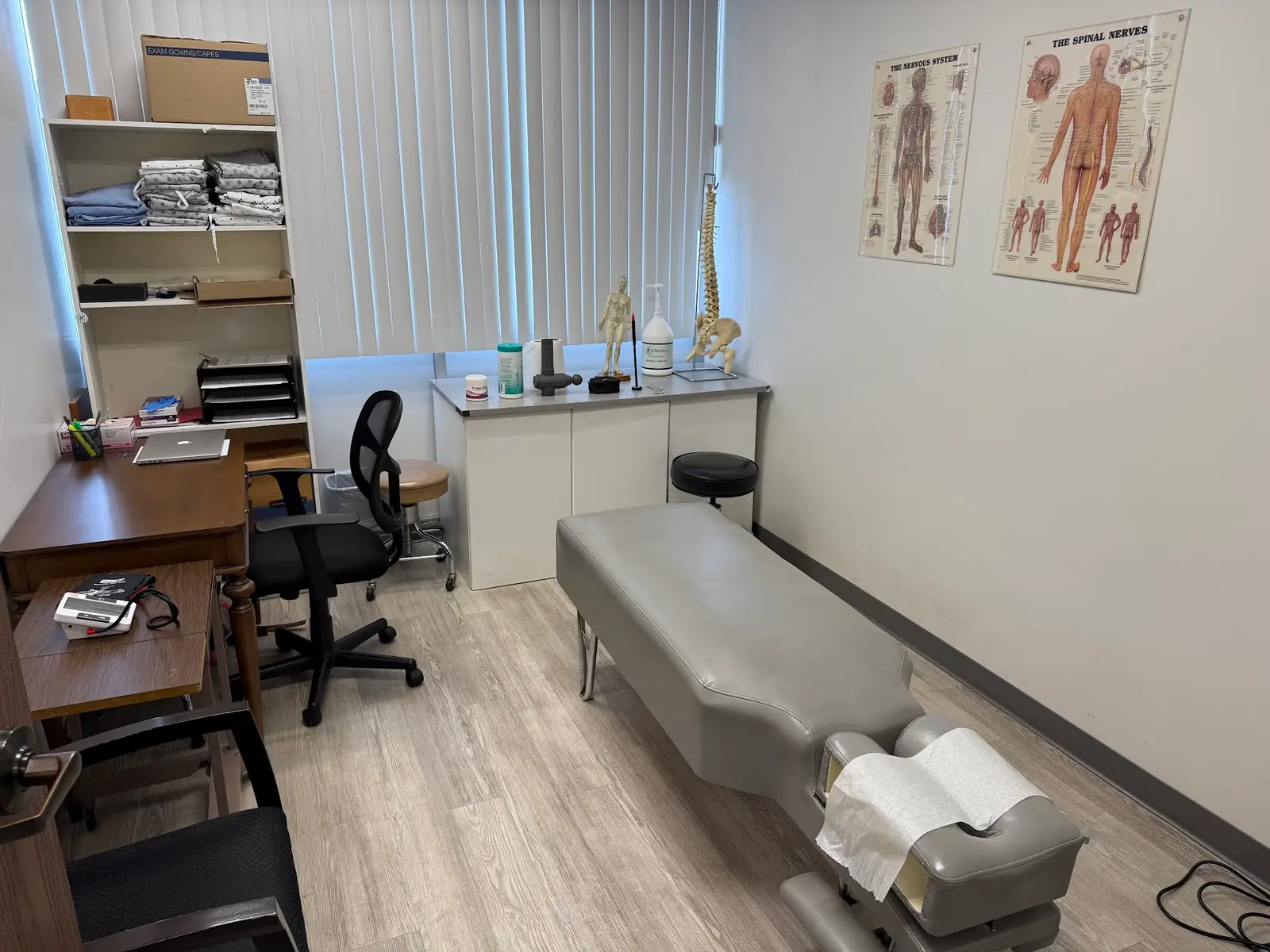
Your first visit includes a full orthopedic and neurological exam and a spinal analysis. Your chiropractor will ask about your symptoms and history, look at your posture, test how each region of your spine moves, feel for joint restriction and muscle tension, and check your reflexes, strength and sensation.
X-rays or other imaging aren't routinely needed. They're used when your history or exam points to something that needs a closer look, such as significant trauma, suspected fracture or symptoms that don't fit a simple mechanical problem.
What to expect at an adjustment appointment
Before treating, your chiropractor will explain what they found, what they recommend and why, and answer your questions. Nothing happens without your consent.
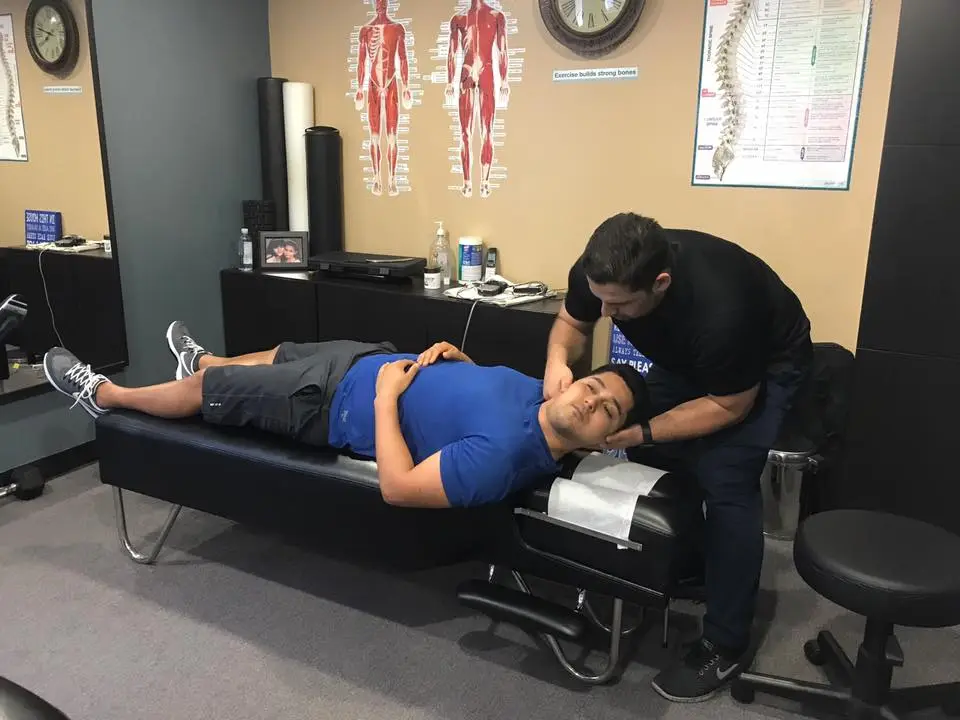
- The adjustment is a quick, controlled movement applied to a specific joint. It may produce a popping sound, which is gas being released from the joint fluid — not bones cracking.
- Gentler techniques, such as drop-table or instrument-assisted adjusting, may be used if you prefer not to have a manual adjustment.
- Soft-tissue work and exercise are often added to help the improvement last.
- Afterward, mild soreness for a day or so is common, similar to after a workout. Serious complications are rare, and your screening exam is designed to catch anyone for whom adjustments aren't appropriate.
You can learn more about how it works on our chiropractic adjustment page, or see our full chiropractic treatment options.
When to seek urgent medical care
Back or neck stiffness is usually mechanical, but some symptoms need medical attention first. Go to an emergency room or call 911 if you have:
- A sudden, severe headache or neck pain unlike anything you've had before
- Dizziness, double vision, trouble speaking or swallowing, or weakness on one side of the body
- Loss of bladder or bowel control or numbness in the groin or inner thighs
- Rapidly worsening weakness in an arm or leg
See a doctor promptly for back or neck pain with fever, unexplained weight loss, a history of cancer or a significant fall or accident. For everyday spinal stiffness and pain, a chiropractic exam is a sensible place to start — see the full list of conditions we treat.