
By the Fitness Chiropractic team · Updated
What is nutrition counseling?
Nutrition counseling is guidance on what, when and how much you eat, tailored to your goals and health. It isn't a printed meal plan handed over on day one. It's an ongoing conversation that looks at your current habits, finds the changes that will make the biggest difference and helps you put them into practice.
Whether you want to slim down, bulk up or simply feel better day to day, the aim is the same: an eating pattern you can actually keep.
Who nutrition counseling can help
Nutrition counseling is a good fit if you:
- Want to lose weight steadily as part of our weight loss program
- Are starting personal training and want to fuel your workouts and build muscle
- Are recovering from an injury, including during sports injury treatment, and want to support that recovery with enough protein and nutrients
- Feel low on energy or rely on caffeine and sugar to get through the day
- Want to eat in a way that may help with inflammation-related aches and stiffness
What happens in a session
You'll start by talking through your current eating habits, goals, schedule and health history, including any conditions, medications or food allergies. From there, you'll agree on a few practical changes rather than a complete overhaul, along with a simple way to track your progress.
Follow-up conversations let you review what's working, troubleshoot what isn't and take the next step. Progress is measured by more than the scale: energy, sleep, training performance and how you feel all count.
Typical first steps are simple ones: eating a proper breakfast, adding protein to each meal, planning a few go-to lunches for busy days, or swapping sugary drinks for water. Once those become routine, you build on them.
New patient special
See if nutrition counseling is right for you — $75 exam
Nutrition, pain and recovery
What you eat won't replace treatment, but it supports it. After an injury, muscles, tendons and ligaments need adequate protein and overall energy to recover, and staying well hydrated matters for muscle function. Carrying extra weight also increases the load on your spine, hips and knees, so gradual weight loss may make everyday movement more comfortable.
Many people with ongoing aches ask about eating for inflammation. A Mediterranean-style pattern, with plenty of vegetables, fruit, beans, whole grains, fish, nuts and olive oil and fewer ultra-processed foods, sugary drinks and alcohol, is widely recommended for overall health and may help some people feel better. Our article on 7 healthy foods is a good place to start, and our post on food and healthy aging looks at the bigger picture.
Part of a whole-person plan
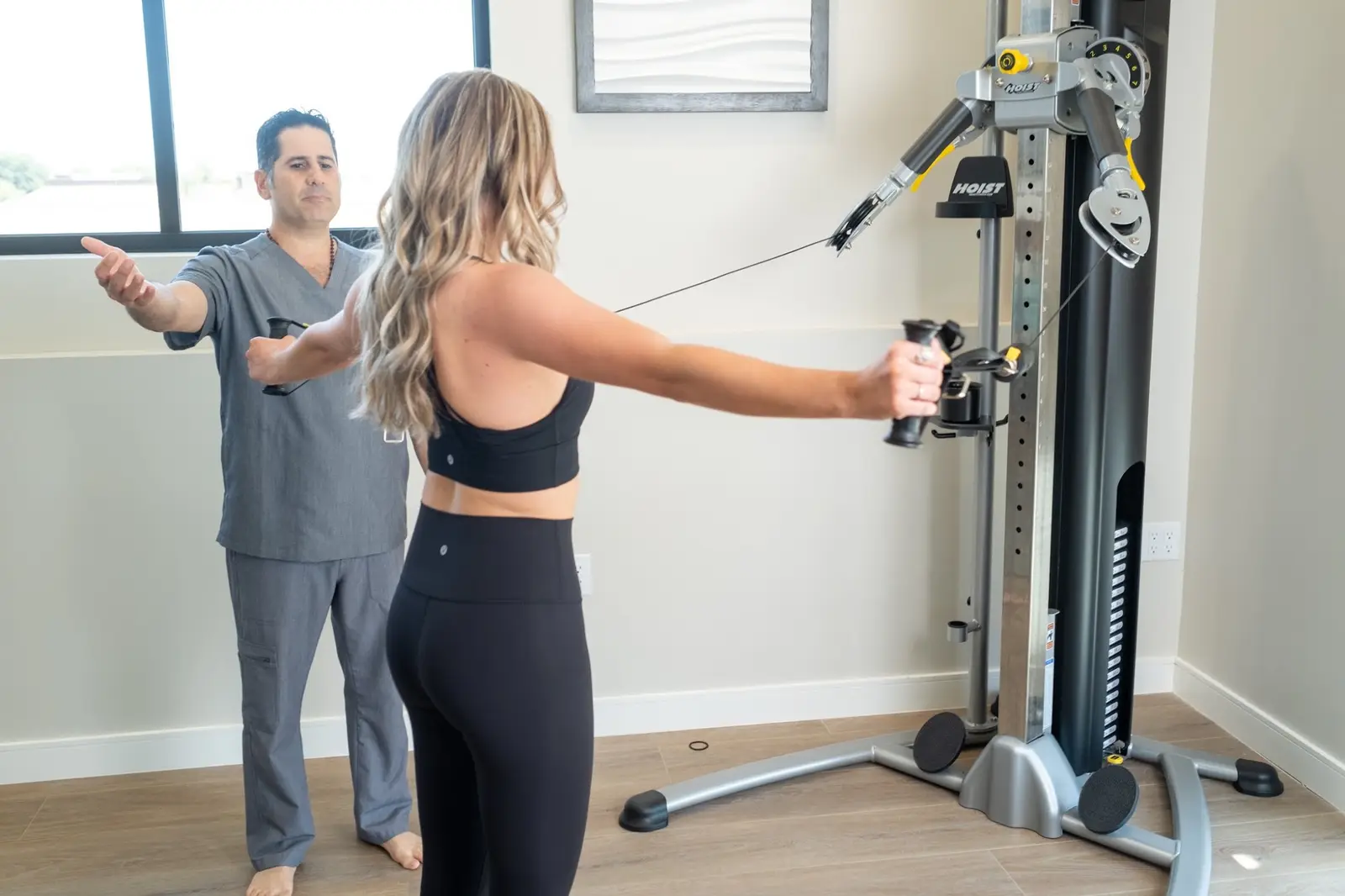
Nutrition counseling works best alongside the rest of your care. Your chiropractor treats the joint and muscle problems that keep you from moving, training builds strength and fitness, and nutrition ties it together. Because everyone is on the same team, your goals and any injury limits are shared rather than repeated at different offices.
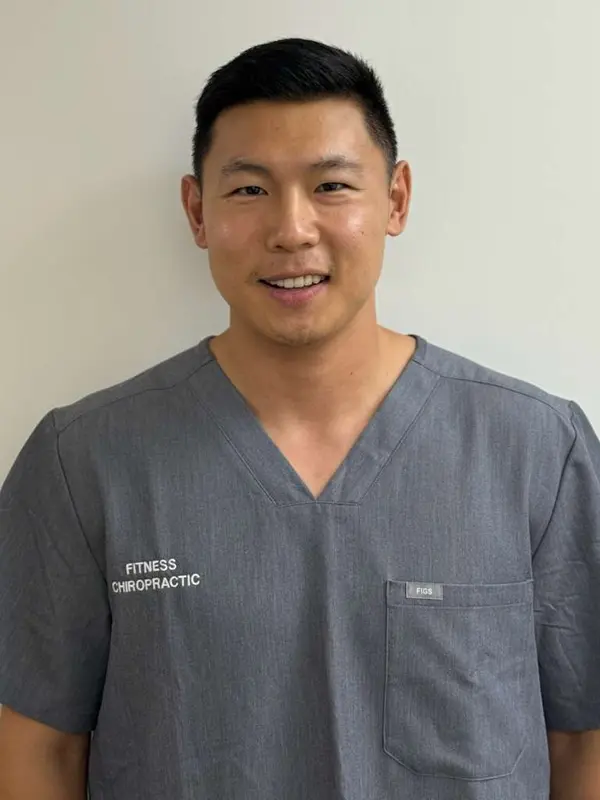
Nutrition is part of how our chiropractors think about recovery, too. Dr. Sean Lee, for example, holds a bachelor's degree in nutrition science.
When to see a doctor or dietitian
Nutrition counseling doesn't replace medical advice. If you have diabetes, kidney disease, heart disease, a serious food allergy or a history of disordered eating, or if you're pregnant, follow your physician's or registered dietitian's guidance and share it with us so your plan fits around it.